While I hate to promulgate stereotypes about any particular group of medical specialists, this short video is too good to leave without broader dissemination.
With 4646 blog posts dating back to August 2006, it's time to end this adventure. After over 9-1/2 years of almost daily output, I will cease adding new posts to this blog. Why? The main reason is that it is simply time to move on to other pursuits. The time and effort spent conceiving, researching, writing, and editing articles has pushed off other projects that I've had in mind for several years. I'd like to focus on those. I'm deeply appreciative of my loyal and engaged readers. They commented directly on the blog over 22 thousand times, and many have also sent private emails with their observations. The readers have been polite, respectful, attentive, and thoughtful, and I cherish the time we've spent together. I'm also grateful to members of the Fourth Estate with whom I have corresponded on many of the topics covered here. Sometimes we have sourced one another, sometimes we have collaborated, and sometimes we have offered mutual support in the face of h...
Queensland Health was an organization under a great deal of pressure several years ago because of safety and quality issues. In fact, in 2005, the Queensland Government announced an independent review of QH’s administrative, workforce and performance management systems, with focus on issues of bullying and intimidatory behavior in the workplace. Among other things, what developed was an interesting approach to leadership training employed during the remediation of those issues. I had not heard about this method and was curious to learn more. What I discovered is that the approach is qualitatively equivalent to the kind of simulation used to teach clinicians how to deal with unexpected situations. Here, though, the vehicle is a drama-based interactive case study, a "prophetical." Here are some excerpts from the article (sorry, payment required): The prophetical is a form of applied theatre which draws inspiration from two words. In the prophetical, the pla...
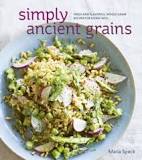
Just in time for Thanksgiving preparation, I ran into Maria Speck the other day, and we started talking about ancient grains. She published her second cookbook on the topic a few months ago, and I've now had a chance to look through it. Beyond some really beautiful pictures by Erin Kunkel, there's lots to view in this compendium. Of course there's background information from amaranth to wild rice, with stops along the way for freekeh, millet, sorghum, and more. We learn, too about the absorption method of cooking, contrasted with the pasta method and others. Should we rinse? Soak? Toast? How do we know when it's done? There are handy charts with cooking times, so we can be more secure about planning ahead. And then, of course, the recipes. By the dozen, in all kinds of categories. This encyclopedia is a joy to read. I'm looking forward to sampling its contents.

Comments
Post a Comment